
Waste Transfer Stations
What Is A Waste Transfer Station ?
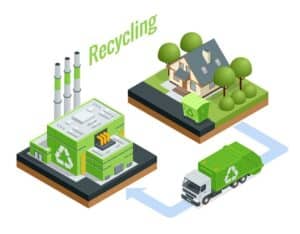
These facilities act as interim stops for waste, holding it temporarily before its onward journey to the final disposal site. But their function doesn’t end there. Waste transfer stations are not merely resting places for rubbish. They are active hubs of waste segregation, where the task of sorting waste into separate categories unfolds. In this guide we explin a little about how they work and the benefits to the environment.
How Do They Work ?
Different companies such as private waste disposal companies and construction companies can enter a waste transfer station to tip off the waste that they have collected. Once the waste has been dropped, it is sorted into different categories such as plastics, wood, metal and building rubble.
Most stations have the capability to recycle materials on site which recycled it can then get transported to different sectors who will re-use the material. Quite often, waste that cannot be recycled, such as food waste, will either end up in landfill sites or it can be incinerated to produce electricity at dedicated sites.
Some bigger stations may also have metal recycling facilities on site for items such as kitchen appliances and end of life vehicles. Weee waste also has very strict guidelines when it comes to recycling items such as fridge freezers, televisions and computer equipment. It is very important that this type of waste is disposed of correctly as it can be harmful to the environment if mishandled.
The deployment of cutting-edge technology plays a crucial role in curbing the adverse impacts on air quality. The stations are equipped with dust suppression systems, engineered to prevent dust particles from becoming airborne. This not only significantly reduces the particulate matter released into the environment but also helps to create a safer workspace for those managing the waste.
Benefits Of A Waste Transfer Station
One of the main benefits of a waste transfer station is that transportation costs are kept down due to there being a lot of stations dotted around the country. Also, most stations are equipped with state-of-the-art recycling equipment which can screen waste on site and make sure that everything is recycled wherever possible. They also have the added benefit of being able to store large amounts of waste securely at any given time until the material is needed to be transported.
Most waste transfer stations accept hazardous waste such as asbestos, fridge freezers, car tires and batteries. It is crucial that this type of waste is handled and recycled correctly and, thankfully, these facilities offer this service.
As we are producing more and more waste each year, these facilities are vital in keeping waste management under control and ensuring that all waste is recycled whenever possible. Bin and Gone always uses licensed waste transfer sites to dispose of all waste collected. We believe that it is very important to keep the environment as green as possible and to always follow the strict guidelines on waste disposal.
Through facilitating efficient and environmentally conscious disposal and recycling processes, waste transfer stations underscore the city’s commitment to minimizing the environmental impact of waste. Their importance in the city’s larger zero-waste goal cannot be understated. Through their operations, they are reshaping perceptions about waste, recasting it not as an end product but as a resource that, if managed smartly, can contribute to a more sustainable future.
Contact Us
Below are our contact details-
Tel: 07934 801140
Email: info@bin-and-gone.co.uk
If you fill out the boxes with your email address and other relevant details, it will come straight to our email inbox. We always reply on the same day.